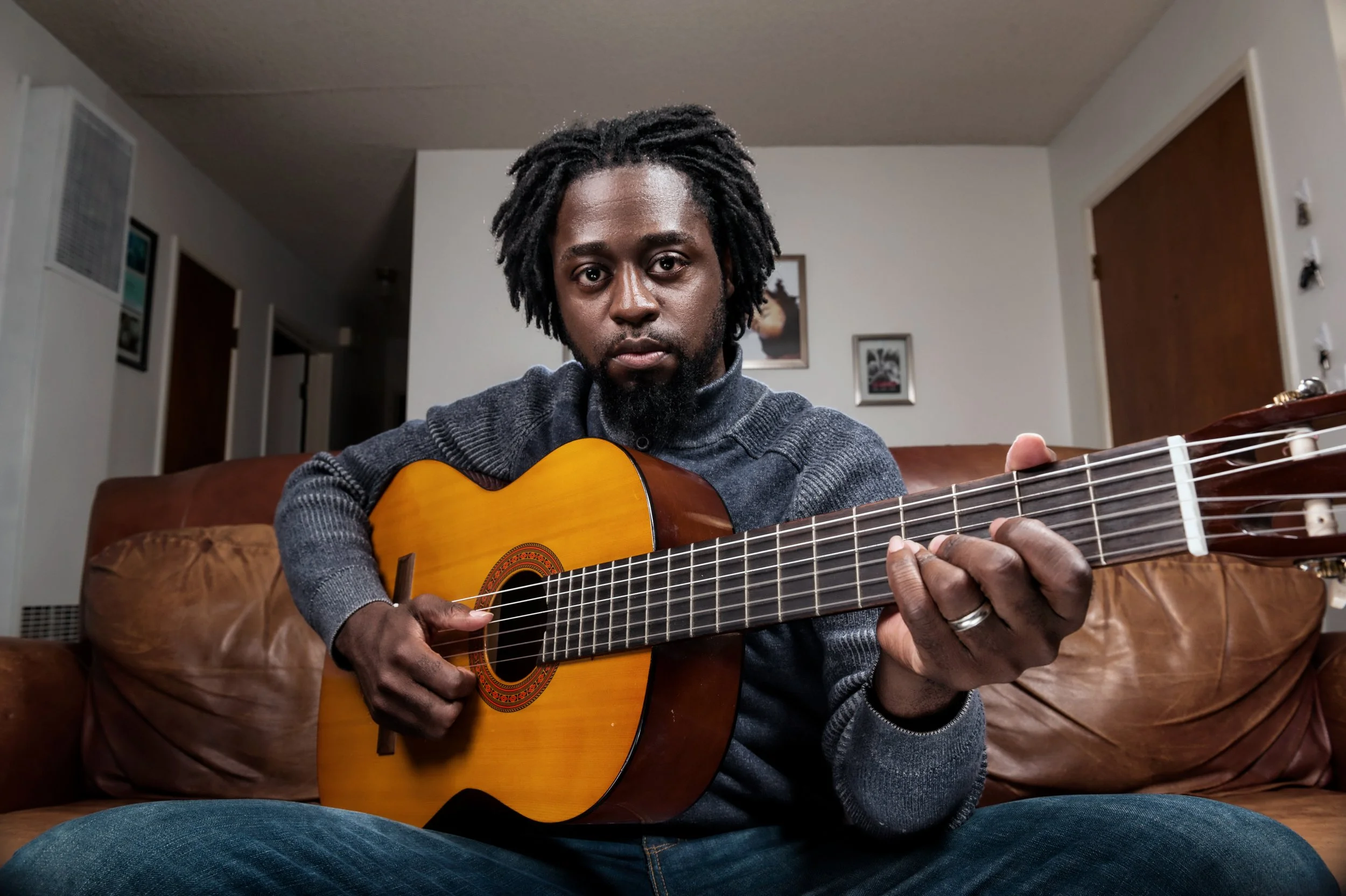
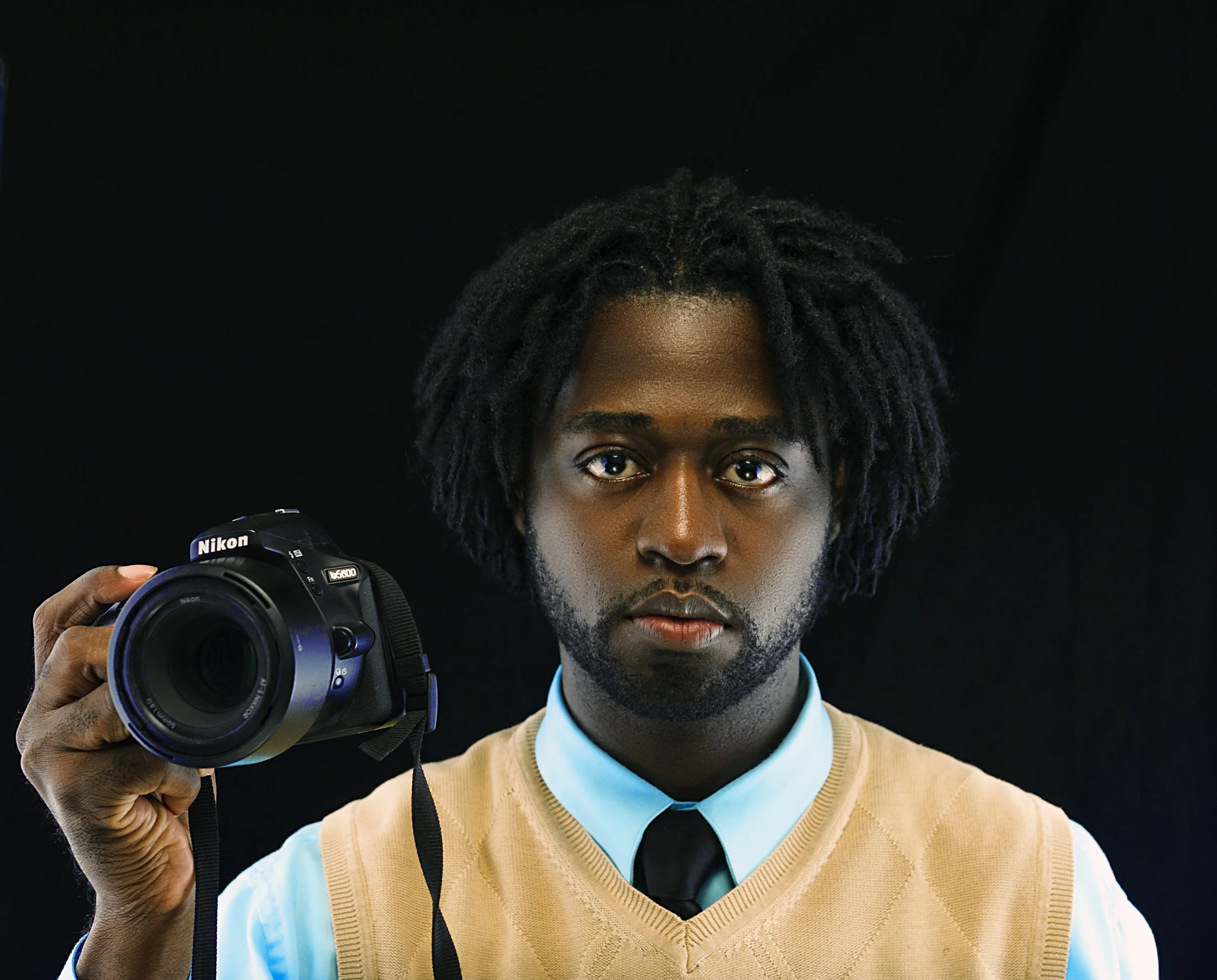
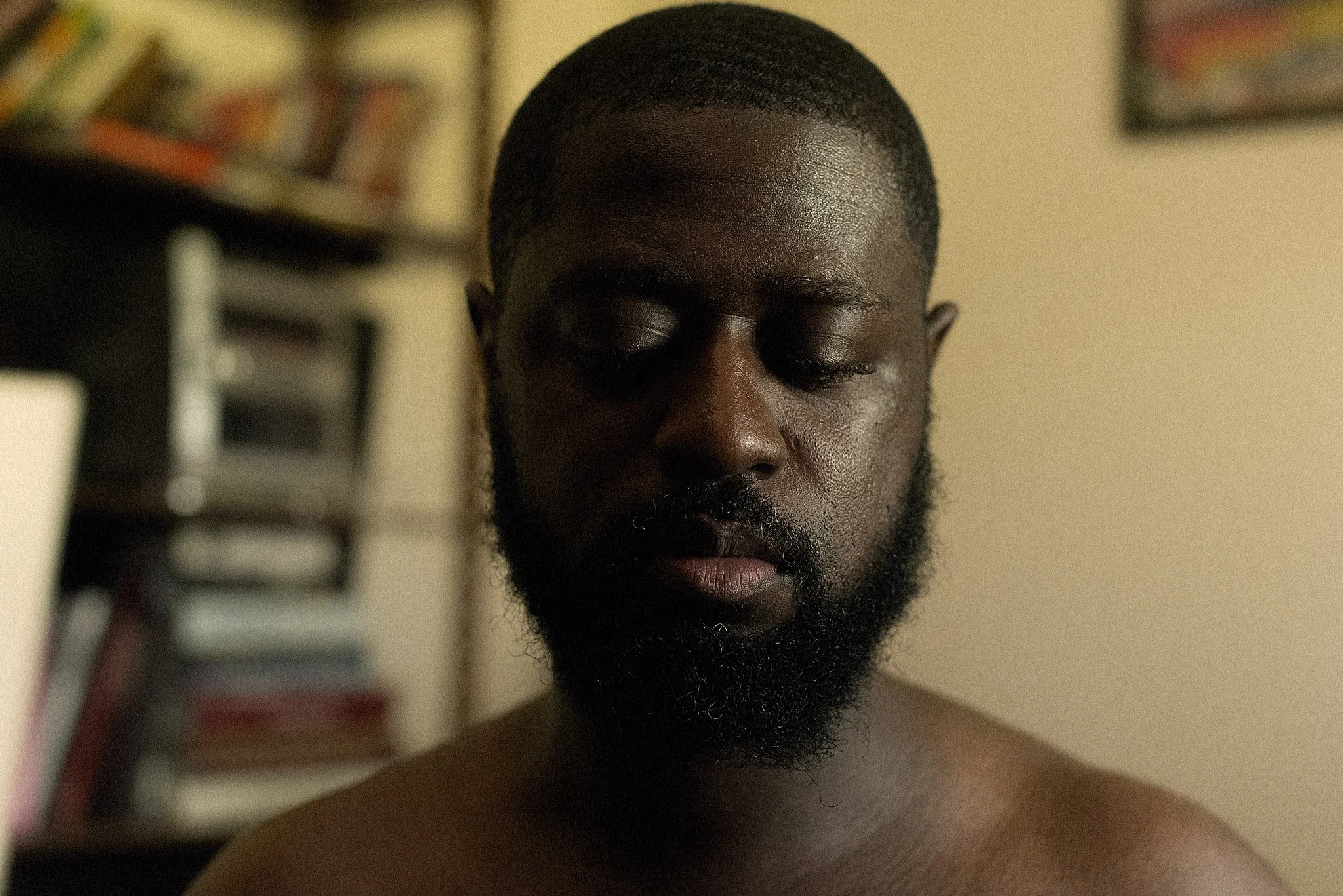
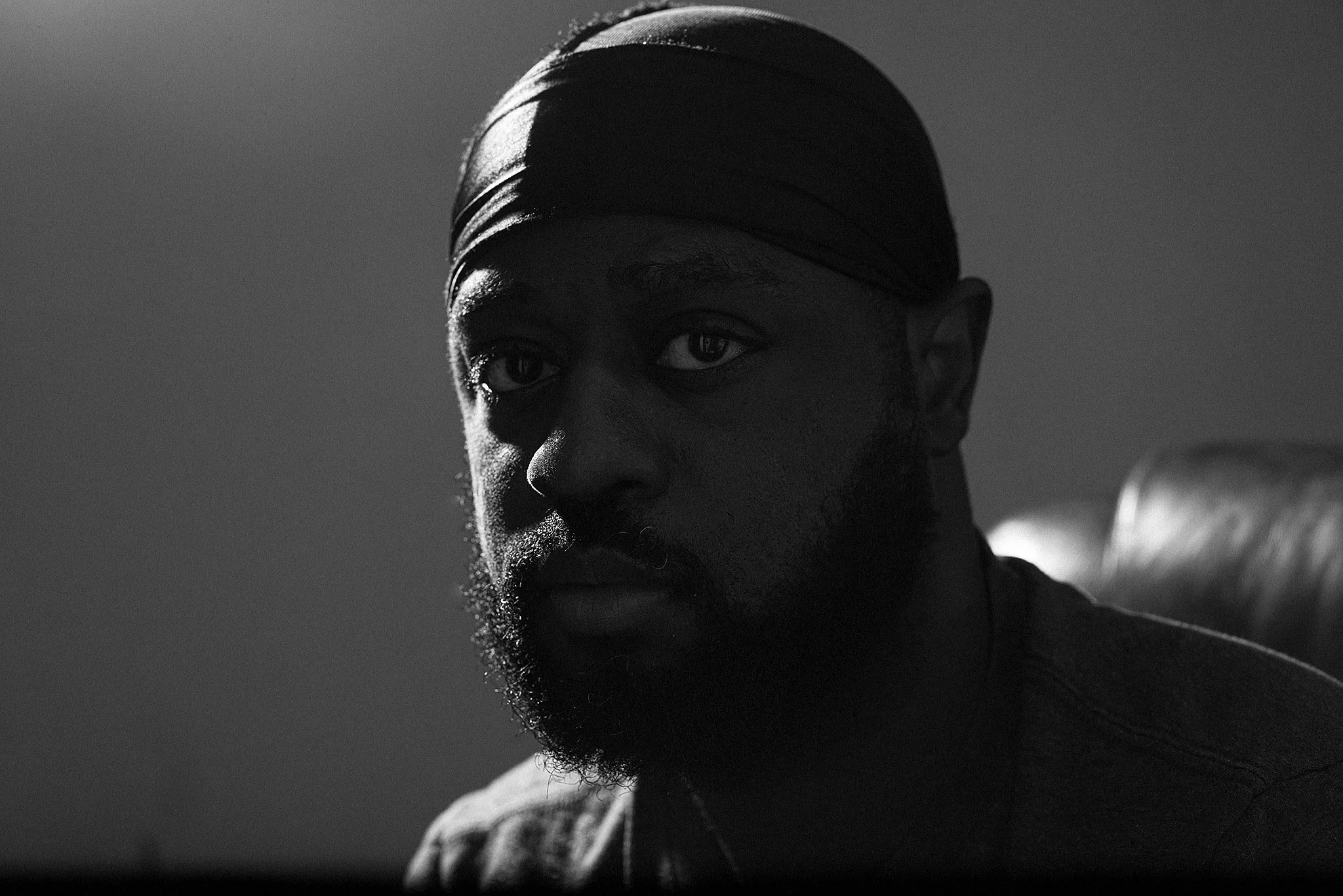
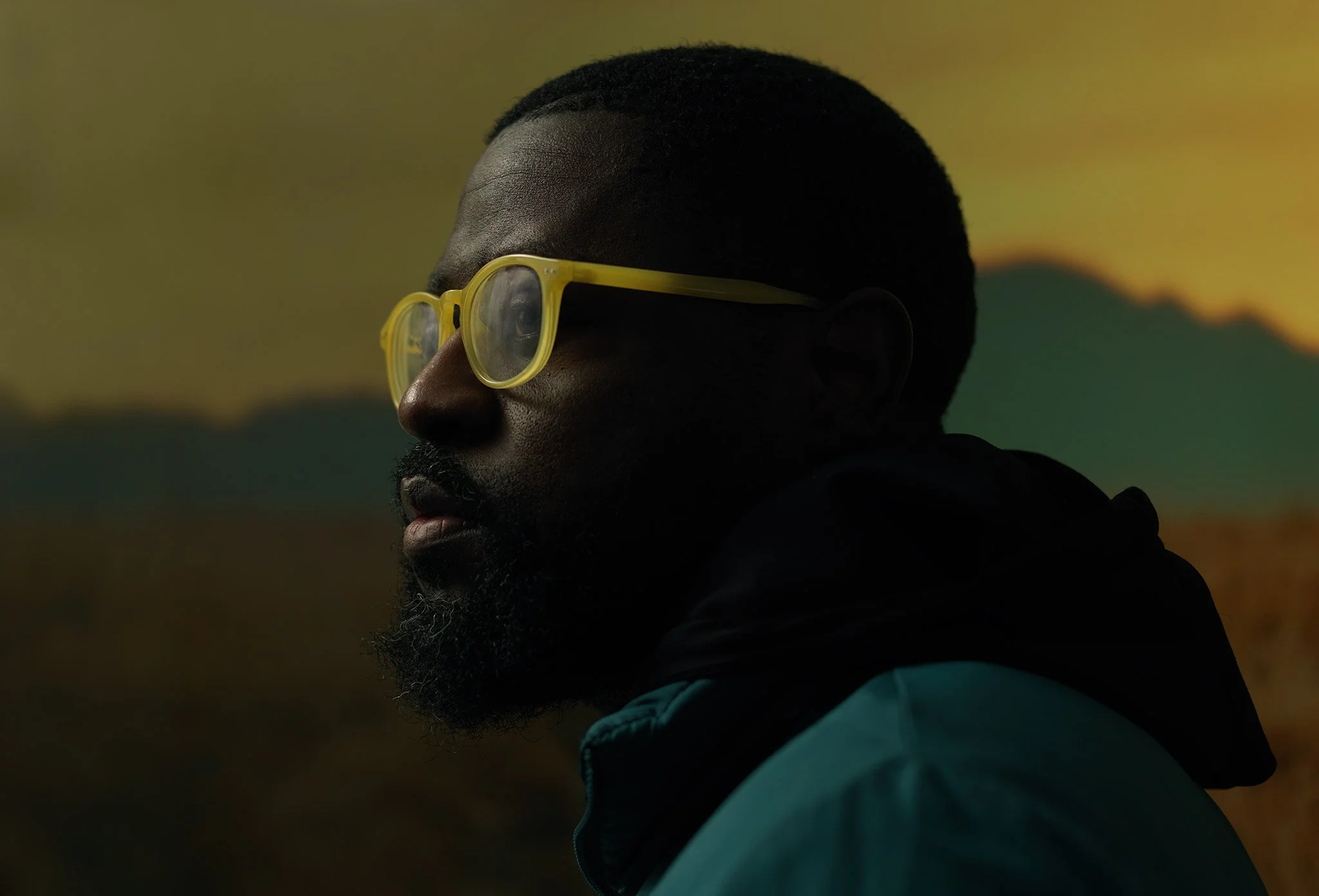
I have a artist’s portfolio. A collection of the photographic images that I feel best describe me as an artist. In fact, you may have already seen said portfolio. If you haven’t, please take a look by clicking on the “Photography” or “Art tabs at the top of the page! I’m proud of the pictures that I’ve made, both the paintings and the photographs. The public portfolio is only a representation of my work, which necessarily means that I can’t fit every image that I’ve taken. A large portion of my early work sits on hard drives, particularly the work that afforded me the practice needed to get to the place I am today. Namely the self-portraits.
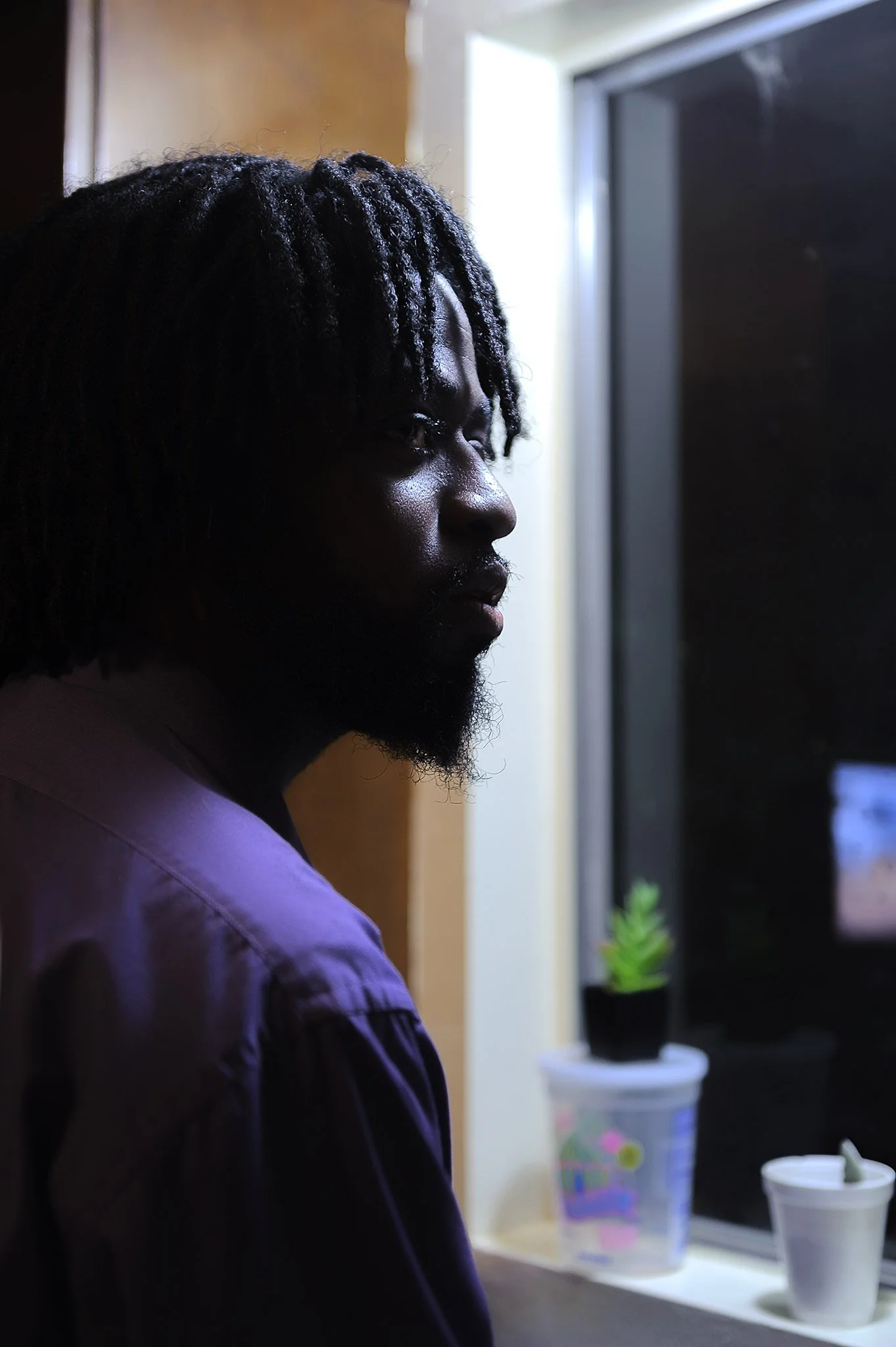
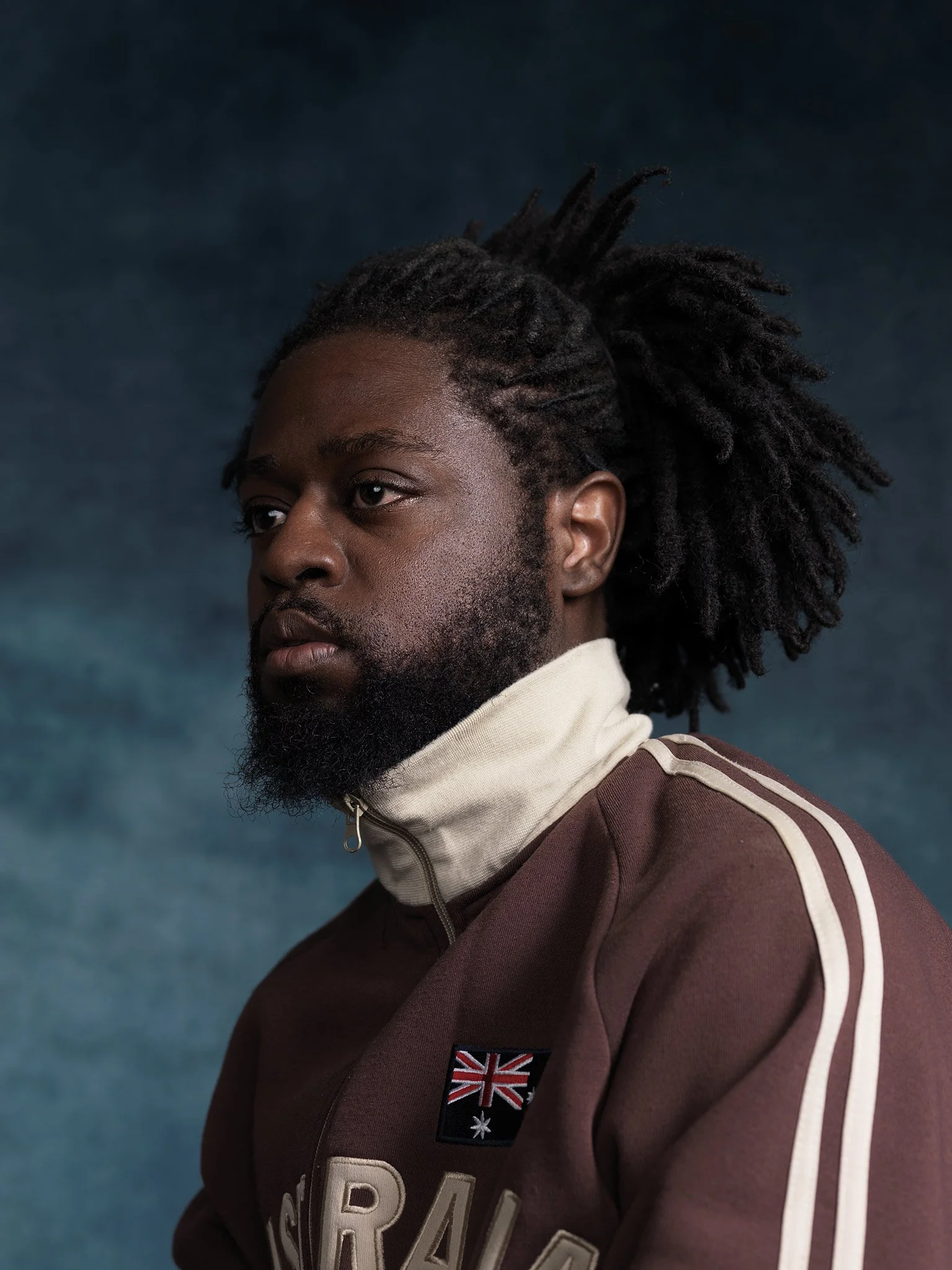
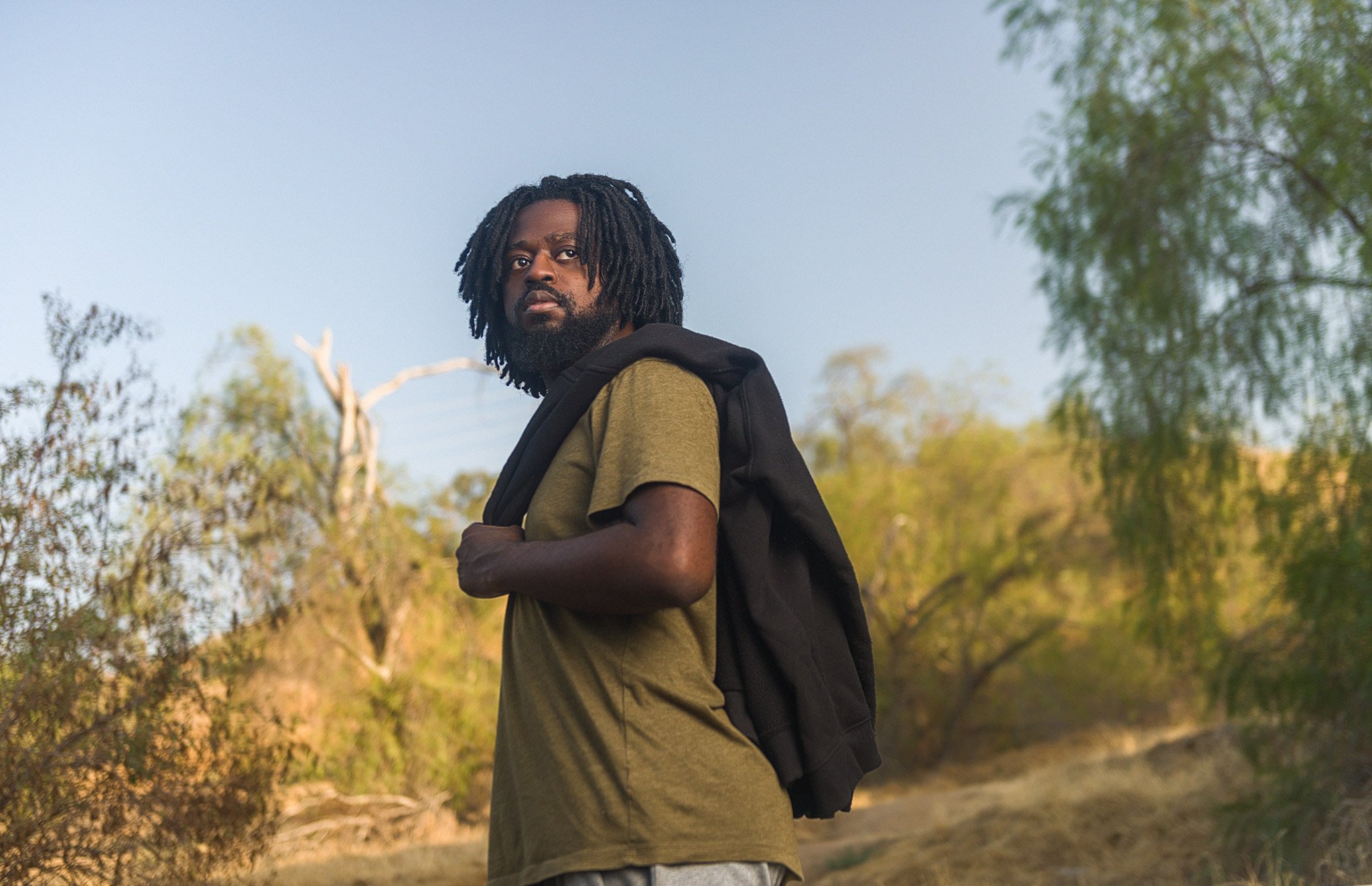
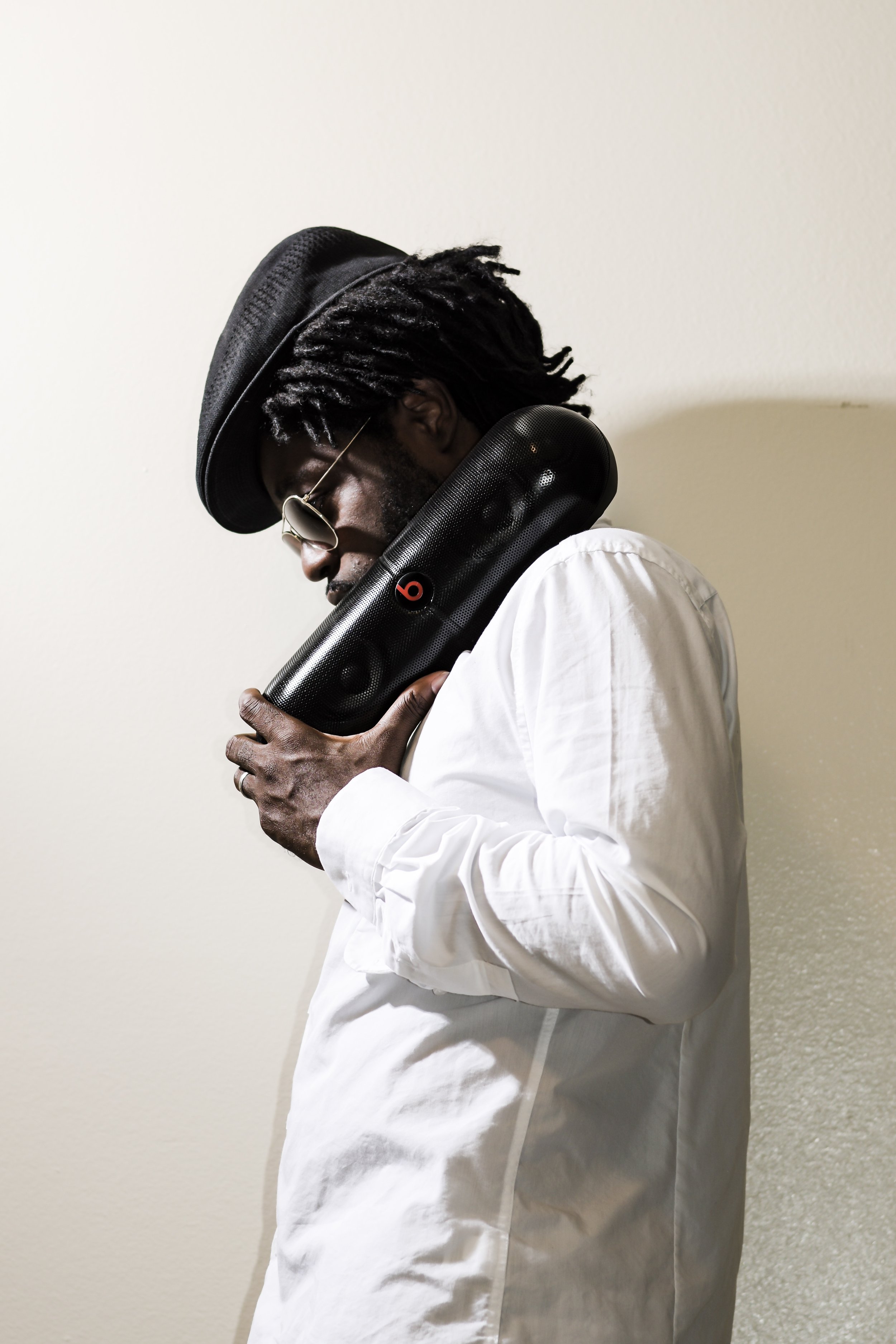
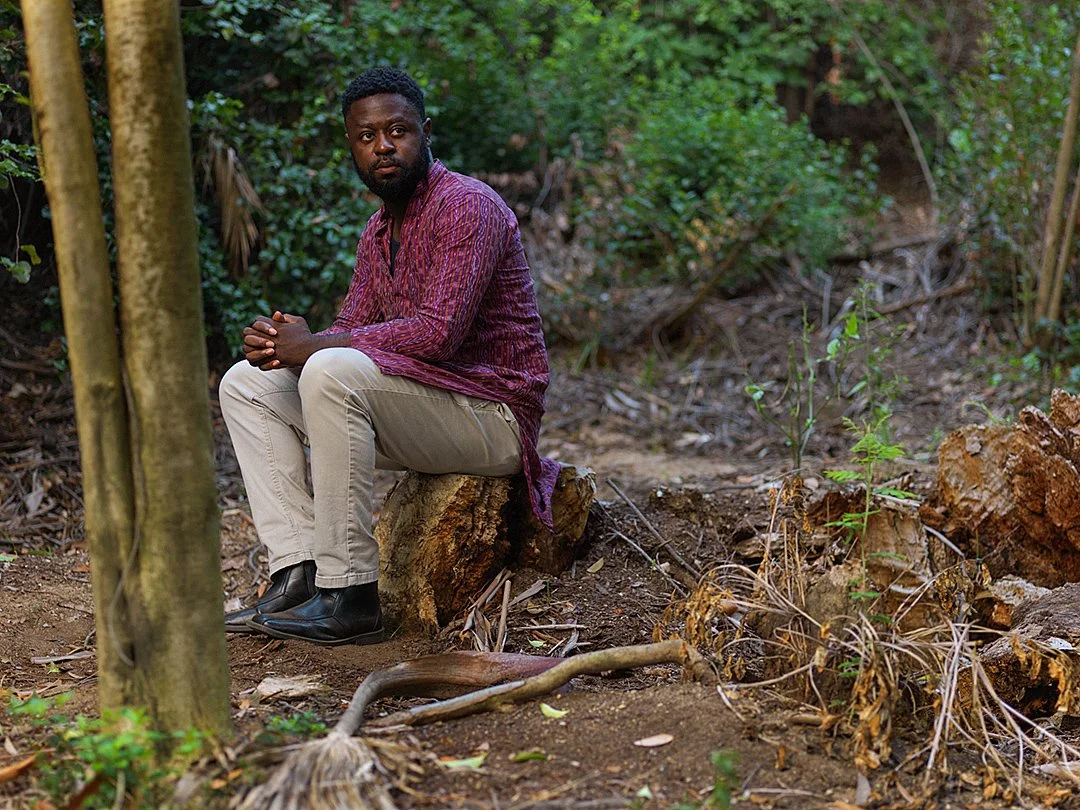
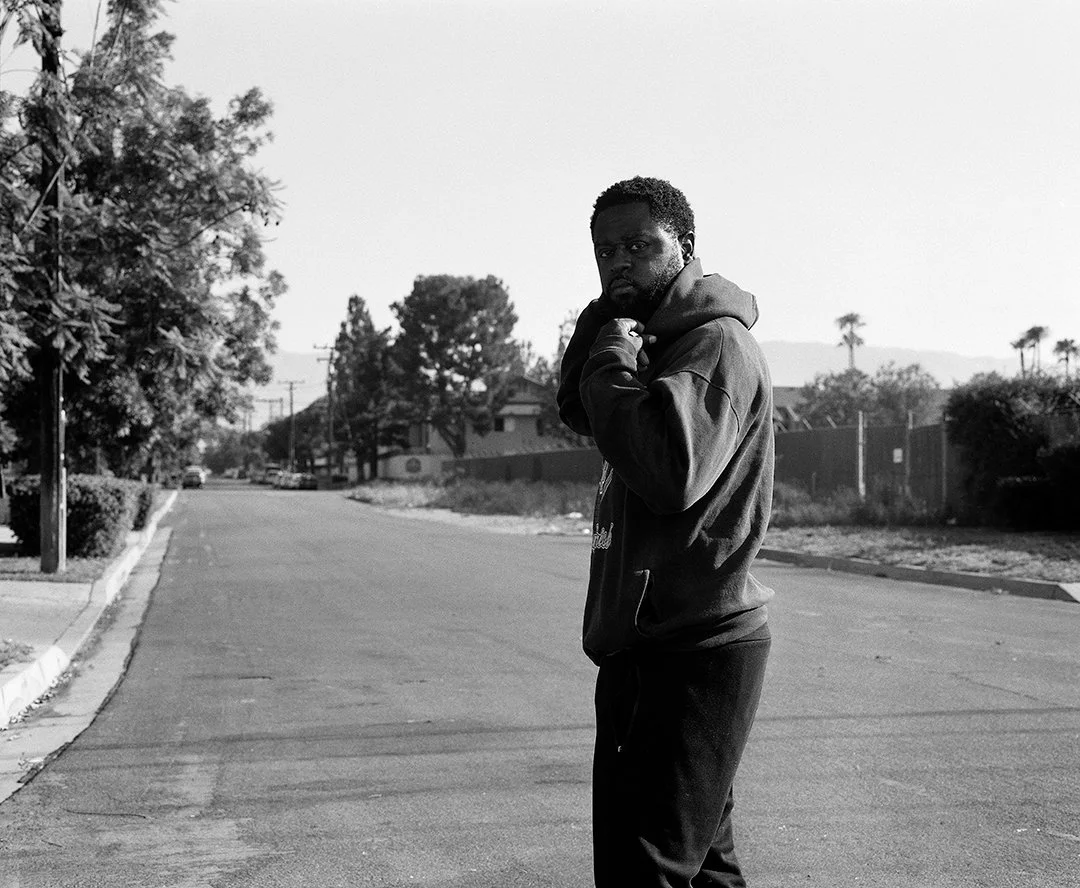
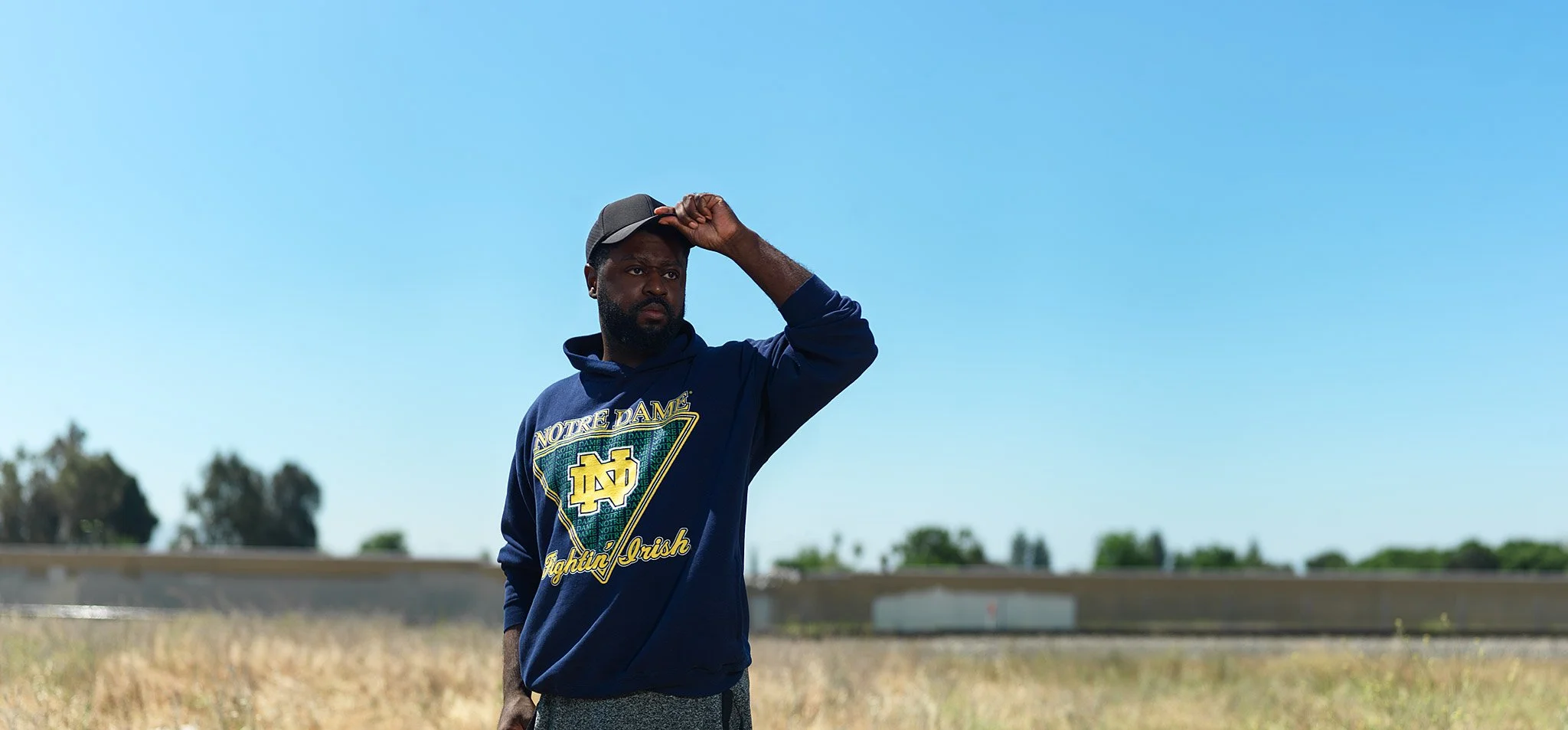
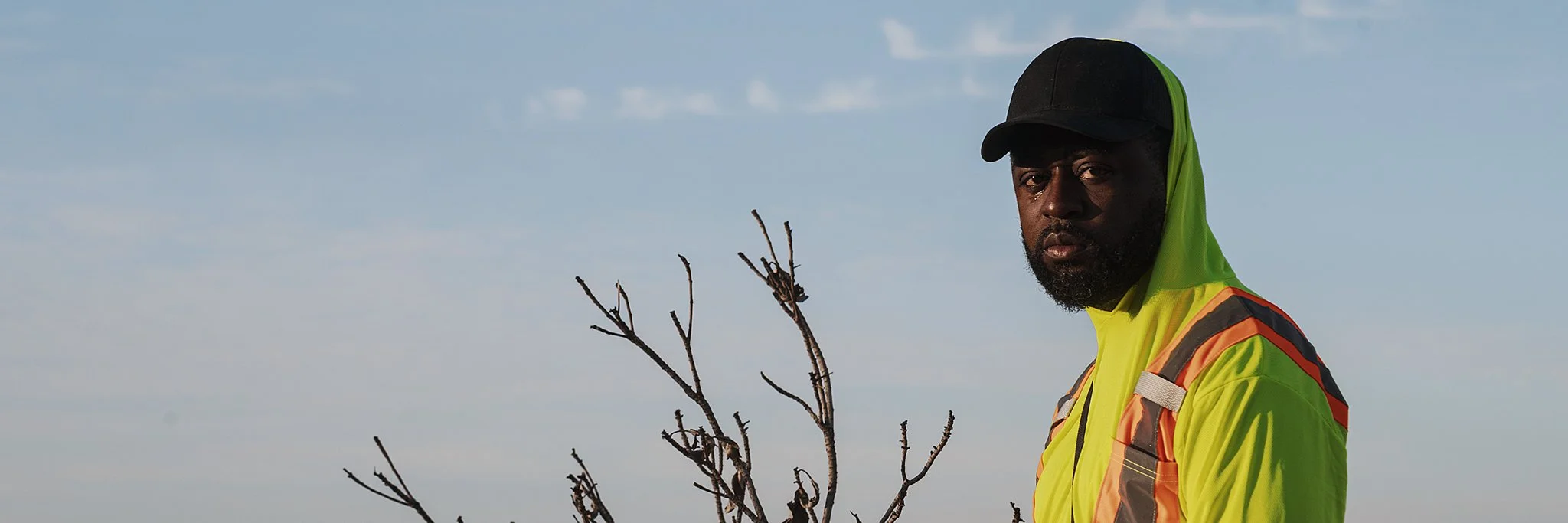
When I began learning photography in 2017, I used self-portraits as a way of practicing. I’m a naturally introverted recluse artistically and so any skill that I have gained has been refined through my alone time. Since portrait photography requires a person in front of the lens and a photographer behind, I decided to be both. I photographed myself hundreds of times in many scenarios. I photographed myself doing everyday mundane activities. I made action images, still images, and everything in between. I photographed outside and inside, building my craft along the way. I learned to use flash through trial and error and experimentation. Through the years 2018 and 2019 I kept photographing. I photographed other people often but I continued to practice with the self-portraits. From 2021 to 2023 I slowed significantly. I decided to take a break from photographing client portraiture and focus on my drawing and painting. I had lost my enthusiasm about the idea of setting up the camera and the slow process of making a self-portrait. In the summer of 2023, I found a renewed interest in the self-portraits. I produced over 200 self portraits over that time. With so many images, you’d probably assume that I love taking pictures of me.
To be honest, I don’t particularly care for photographs of myself. I don’t consider myself to be photogenic at all. If you look at my phone, you won’t find many traditional “selfies”. If you comb through the photographs, you will find portraits that have been set up, posed, lit with artificial light and retouched as if I was submitting them to a publication. I view myself merely as a test subject. I try to imagine another body in this situation and photograph from there. I become a piece of the artwork and not Michael Harrison specifically. I can then lose myself a bit in the process because I understand that I have to do whatever I have to do for the benefit of the artist. I can then, if need be, take that experience and visualization and apply that to work with other people. I’ve boiled my self-portraiture down to three truths.
I know me and I know what I want. Therefore I can practice based on what I’m thinking about and I can massage it until I am satisfied. I don’t have to communicate to myself but I can build my communication through a physical sensory experience because I have played the modeling/client role
I’ve got all the time that I’ve got. I may have an idea hit me at 7:00pm on a Thursday. I don’t have to make any calls and schedule any sessions. I can make it happen quickly and in the time that I have available without having to coordinate schedules. I’m able to get a lot more done because the model is available whenever the photographer isavailable.
Experimentation. Experimentation. Experimentation. I can retouch, edit, practice techniques and go wild without any repercussions. Do I want to make images that are warmer in temperature, cinematic, filmic looking? The sky is the limit. To the point of #1, I sometimes don’t know what I want and I need space to ponder. I can sit back in a self-portrait session for minutes in silence before I pick up the camera. I have no rush to make anything noteworthy and if I leave a session with nothing, it was extremely low stakes, which allowed me to become a much better photographer through the sheer amount of failure and restructure.
Self-portraits (usually) aren’t an end-all be-all. They are, even for me, supplemental (though not less important) to the traditional portrait photographing technique. There are often poses that I am unable to do and some that quite frankly I have no interest in doing but that I would like to photograph (jumping, flipping, etc.) I once told someone that I would prefer to be photographing other people. Self-portraiture is slow and requires a lot of patience. You lose a little bit of spontaneity because everything (posing, lighting) has to be considered before it you even step in front of the camera. Obtaining tack sharp focus, especially at a shallower depth of field is a bit of guesswork, which can be frustrating. I also really enjoy having the camera in my hand and against my eye and a self-portrait requires you to be separated from your instrument.
With all being said, self-portraiture has benefitted me greatly. Though I would prefer to photograph others, I find self-portraits to be my favorites. The photography becomes a quiet, spiritual activity. I can spend hours alone in deep thought in the field, taking my time to work a composition without any pressure. And though I consider myself to be a test subject, I learn a lot about myself as a human being by looking at and editing photographs of self. You will inevitably find the beauty, the wonder, the quiet observation even if you don’t consider yourself to be beautiful, handsome, noteworthy, or photogenic. It is the continued observation of an object, person, place or thing without judgment that allows us to truly see and through the sheer time invested in them, self-portraits have allowed me to truly see me, both as a artist and more importantly as a human being.